28 Jun 2026
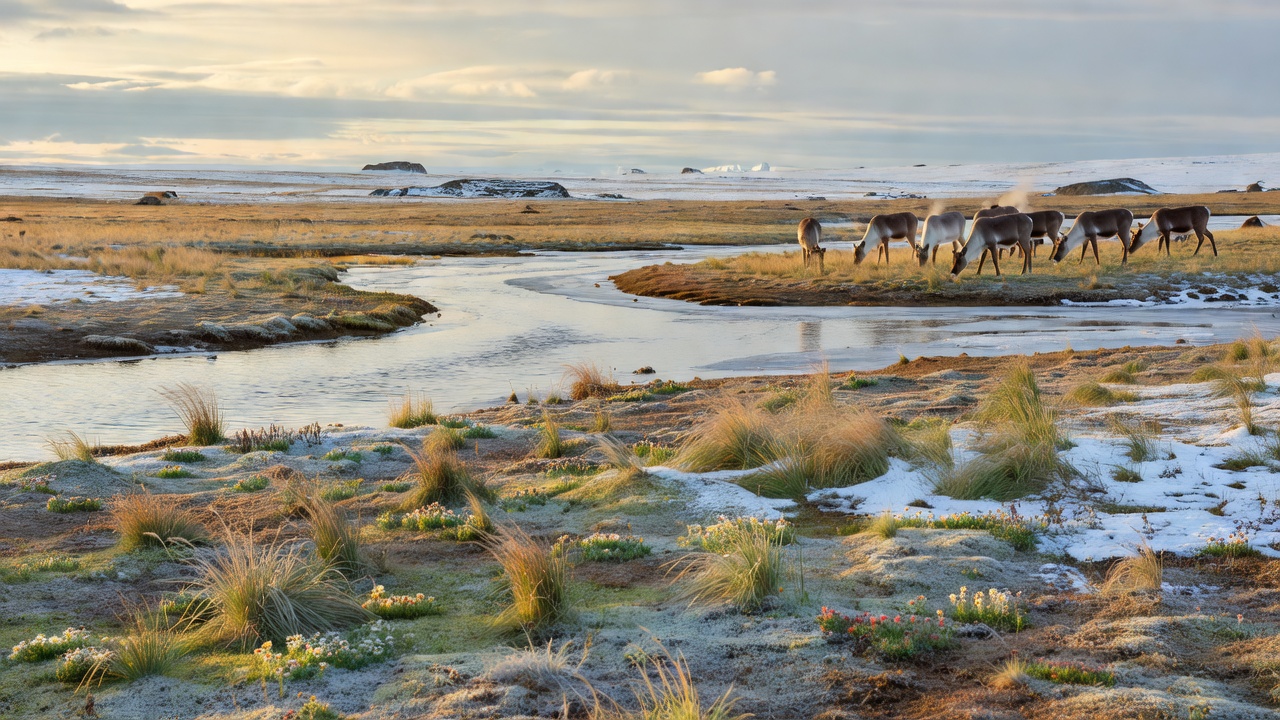
Polarprairie regions represent transitional zones where polar climates intersect with prairie landscapes. These areas feature unique environmental conditions that support specialized plant and animal communities while serving as important indicators of broader ecological shifts.
Key Environmental Features
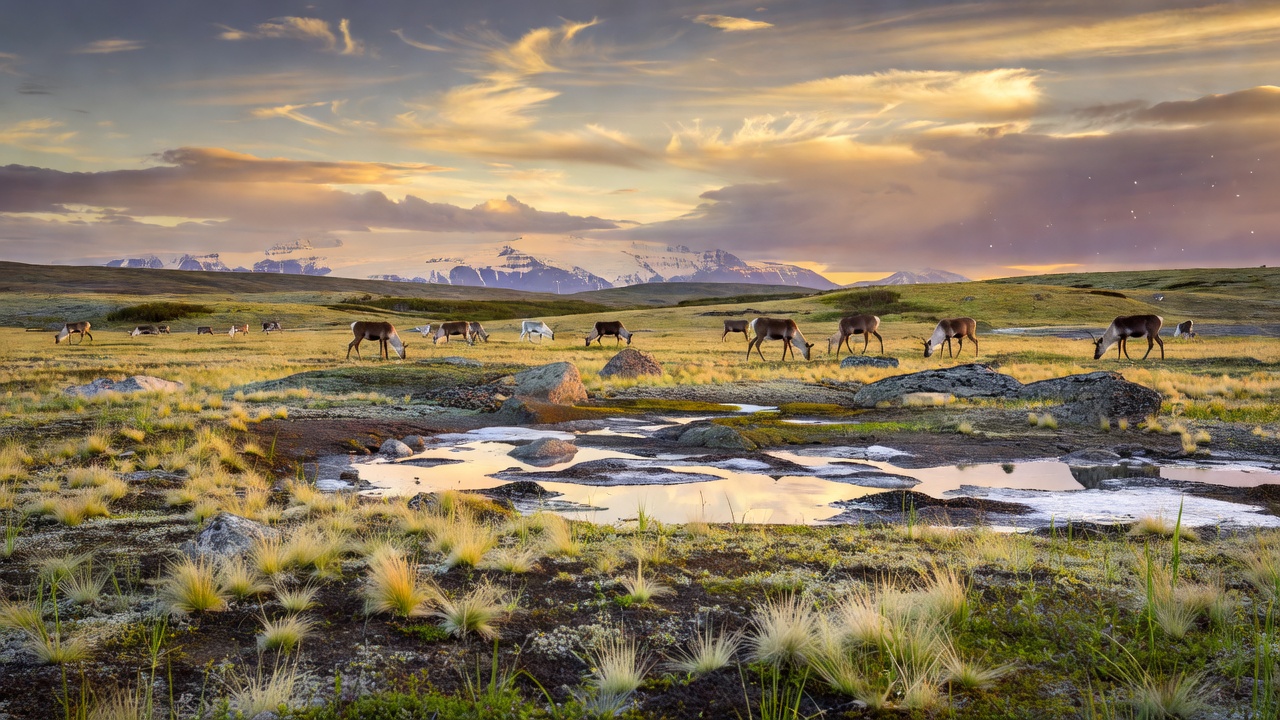
Vegetation in Polarprairie consists of resilient grasses, sedges, and low shrubs adapted to short growing seasons and fluctuating temperatures. Permafrost often underlies fertile surface soils, creating habitats that sustain migratory birds, rodents, and occasional larger mammals. The interplay of cold air masses and open grasslands produces distinct microclimates that differ from both pure tundra and southern prairies.
These characteristics allow Polarprairie to function as a natural laboratory for examining species resilience and habitat connectivity across latitudinal gradients.
Role in Climate and Biodiversity Research
Scientists study Polarprairie to track permafrost stability, carbon storage, and vegetation responses to warming trends. Data from these zones contribute to models predicting changes in global weather systems and species ranges. Biodiversity here includes both arctic specialists and prairie generalists, making the regions sensitive barometers of ecosystem health.
Long-term monitoring reveals how shifts in precipitation and temperature affect nutrient cycling and seasonal migrations, providing context for conservation planning at continental scales.
Sustainable Human Use and Stewardship
Indigenous and local populations have developed land practices suited to Polarprairie conditions, balancing traditional harvesting with careful resource management. Modern approaches emphasize low-impact tourism, selective grazing, and habitat restoration to maintain ecological integrity. Educational outreach highlights the value of these landscapes for water filtration, wildlife corridors, and climate regulation.
Placing Polarprairie within wider environmental frameworks reveals its contributions to planetary stability and the importance of protecting such transitional ecosystems for future generations.