10 Jul 2026
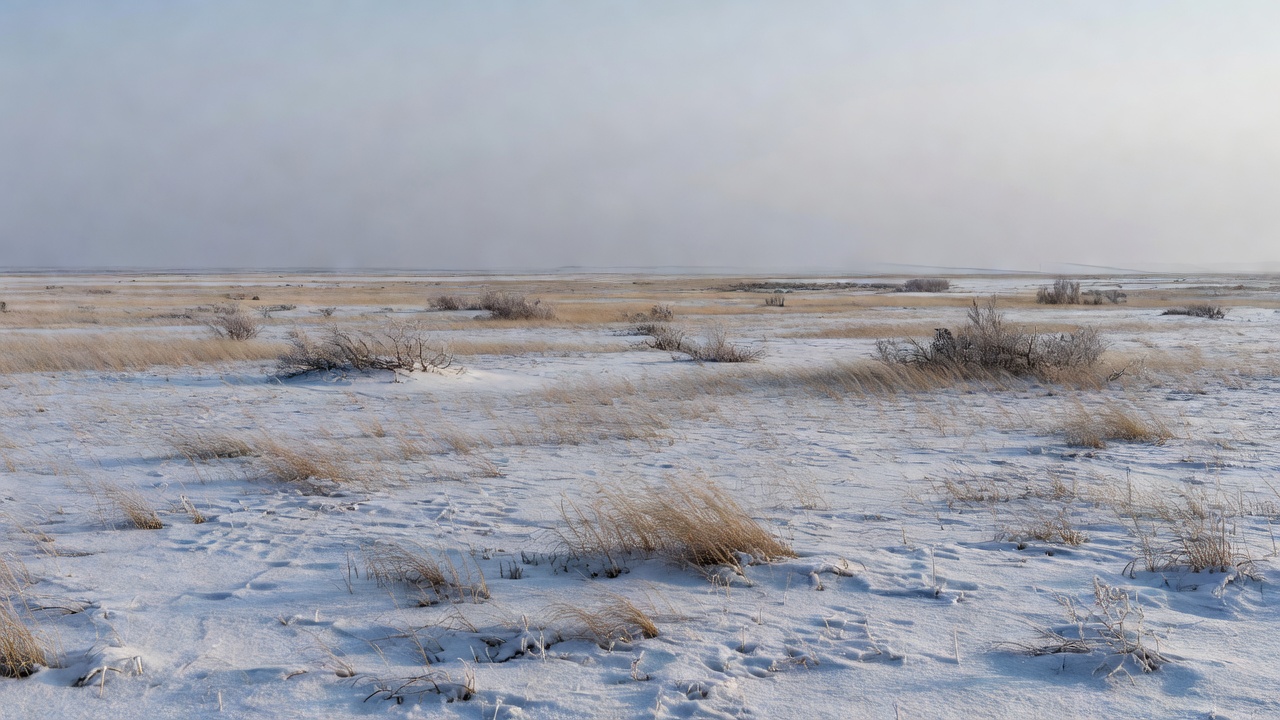
Polarprairie refers to transitional landscapes where cold polar conditions meet expansive grassland environments. These areas experience long winters with significant snow cover and short summers that bring rapid vegetation growth. Understanding the balance of temperature extremes and seasonal shifts helps explain the unique ecological patterns found here.
Climate Patterns in Polarprairie
Temperatures in polarprairie zones often drop below minus thirty degrees Celsius during winter months while summer highs rarely exceed twenty degrees. Precipitation arrives mainly as snow with annual totals between two hundred and four hundred millimeters. Winds sweep across open terrain creating drifting snow and influencing plant distribution. Soil remains frozen for much of the year limiting root depth and affecting water availability during the growing season. These conditions create a demanding environment that shapes every aspect of local life.
Flora and Fauna Adaptations
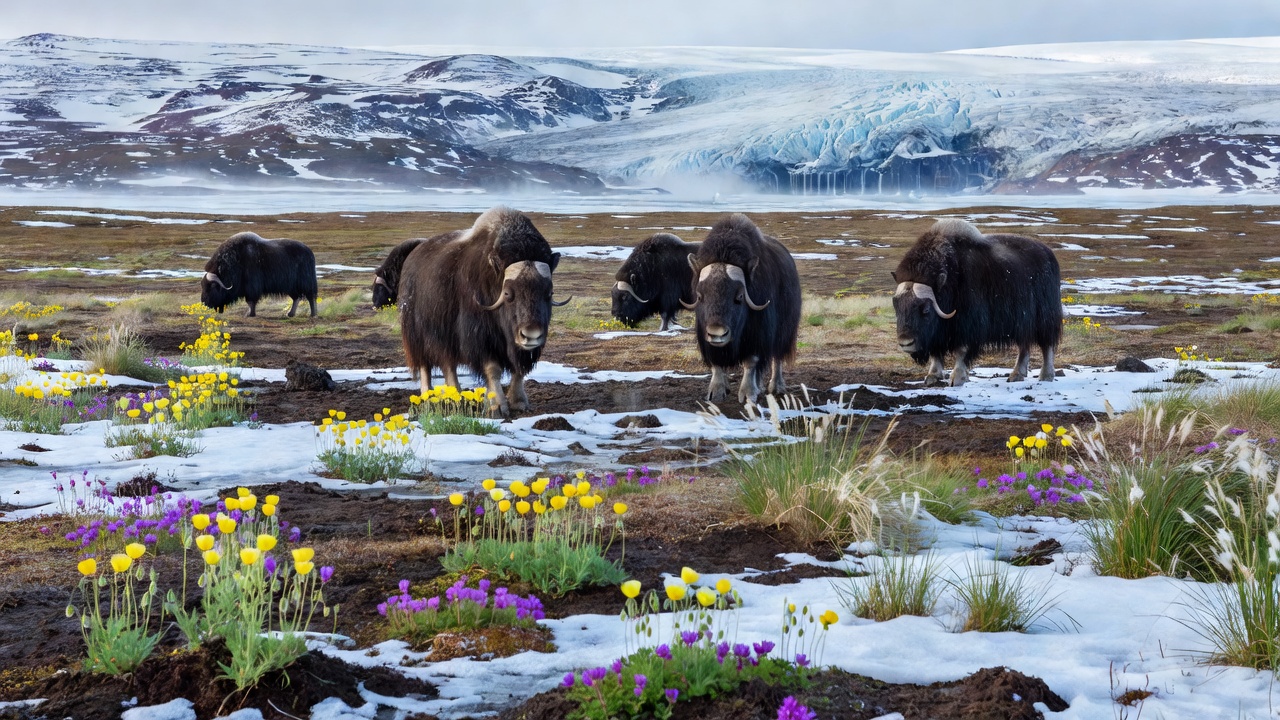
Vegetation consists primarily of hardy grasses sedges and low shrubs capable of completing life cycles in brief warm periods. Species such as arctic cotton grass and dwarf willow survive through specialized root systems and frost resistance. Wildlife includes herbivores like caribou and musk oxen that migrate seasonally in search of forage. Predators such as arctic foxes and snowy owls rely on these prey populations while smaller mammals including lemmings burrow beneath snow for insulation. Birds migrate through these regions using them as critical stopover points during long journeys. Each organism demonstrates specific traits that allow persistence despite harsh conditions.
Conservation efforts focus on maintaining habitat connectivity and monitoring species populations affected by changing weather trends. Sustainable observation practices encourage minimal disturbance while supporting scientific study. Travelers benefit from preparation that accounts for sudden weather changes and limited services in remote sections. Knowledge of these factors supports safer and more respectful engagement with polarprairie environments over time.