25 Feb 2026
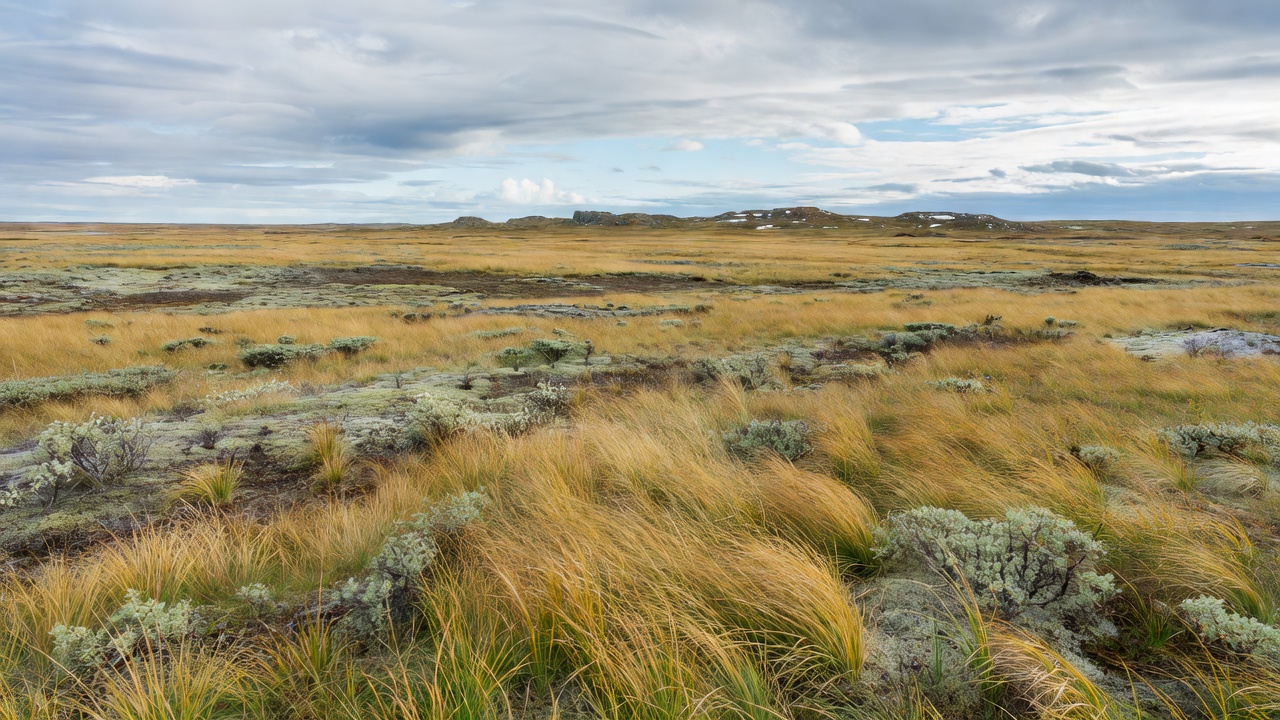
Polarprairie represents a distinctive ecological zone where arctic influences meet expansive grassland habitats. Viewers seeking to understand this environment benefit from carefully selected documentaries and series that highlight seasonal changes, wildlife adaptations, and conservation efforts. These productions offer accurate portrayals without sensationalism, allowing audiences to appreciate the balance between harsh winters and vibrant summer growth.
Essential Documentaries on Polar Transitions
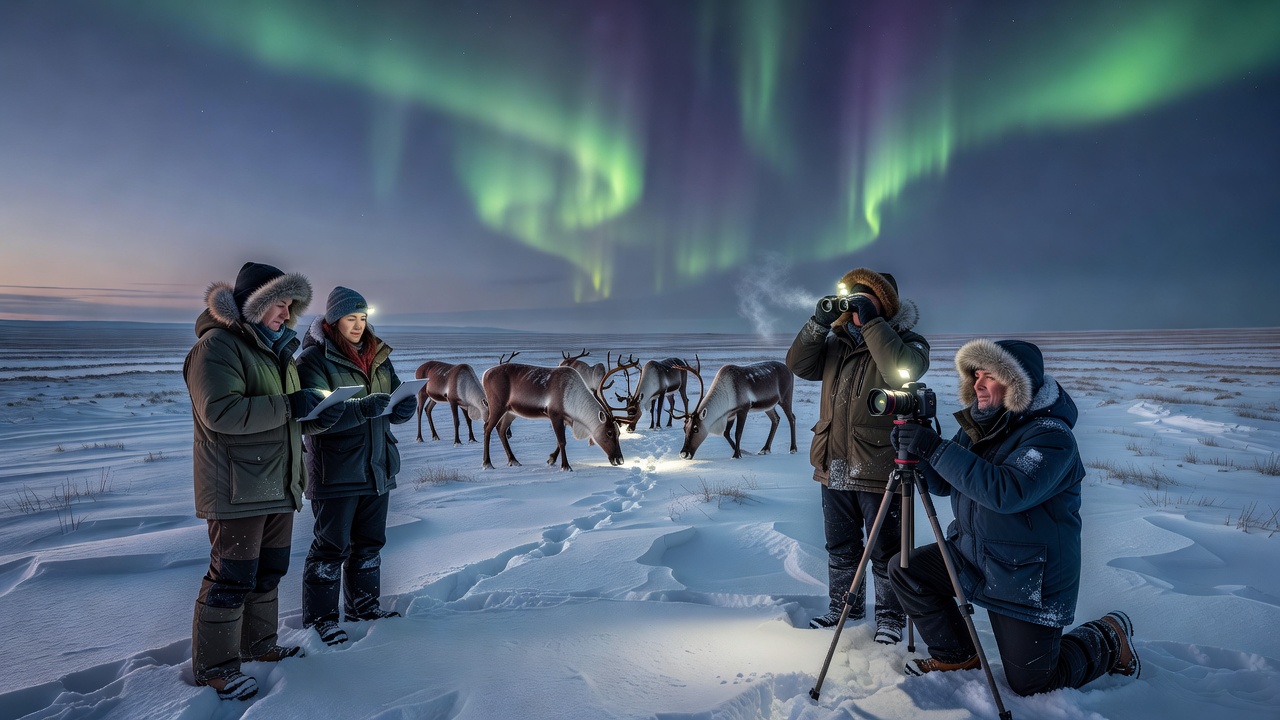
Documentaries focusing on the shift from tundra to prairie conditions provide foundational knowledge. Films that follow migratory herds such as caribou or reindeer illustrate how these animals navigate both frozen ground and open grasslands. Look for productions that emphasize plant resilience, including deep-rooted grasses that survive permafrost layers. Narrated sequences showing temperature fluctuations across months help viewers grasp the narrow window for blooming and breeding. Such works avoid dramatic music in favor of ambient field recordings, maintaining a factual tone throughout.
Additional value comes from segments on smaller species, including arctic ground squirrels and burrowing owls that thrive at the prairie edge. These animals demonstrate behavioral flexibility required for survival in zones with extreme daylight variations. Productions filmed over multiple years capture population cycles tied to food availability, offering insight into long-term ecological stability.
Recommended Series on Grassland Wildlife
Series that explore avian life in Polarprairie settings reveal intricate nesting patterns among shorebirds and songbirds. Episodes dedicated to predator-prey dynamics, such as fox interactions with ground-nesting species, present data on habitat overlap. Viewers learn about the role of seasonal wetlands that form during snowmelt and support insect populations critical to the food web.
Another focus area involves plant communities, with episodes detailing how certain grasses and wildflowers stabilize soil against wind erosion common in open landscapes. These series often include time-lapse footage of growth cycles, underscoring the brief but intense growing season. Conservation segments discuss land management practices that protect both polar and prairie elements from fragmentation.
Selecting Content for Deeper Understanding
When choosing material, prioritize productions that cite field researchers and avoid unsubstantiated claims. Content spanning at least one full annual cycle provides context for phenomena like delayed spring onset or early frost events. Pairing visual media with maps of Polarprairie boundaries enhances geographic awareness. This approach supports informed viewing that respects the complexity of the region while remaining accessible to general audiences.