30 Jan 2026
Polarprairie combines stark polar expanses with open prairie terrain, creating an environment that rewards careful observation and preparation. Visitors benefit from understanding seasonal shifts and local conditions to make the most of their time there. Focus remains on practical steps that support safety, respect for nature, and personal enjoyment throughout any period.
Observing Local Wildlife
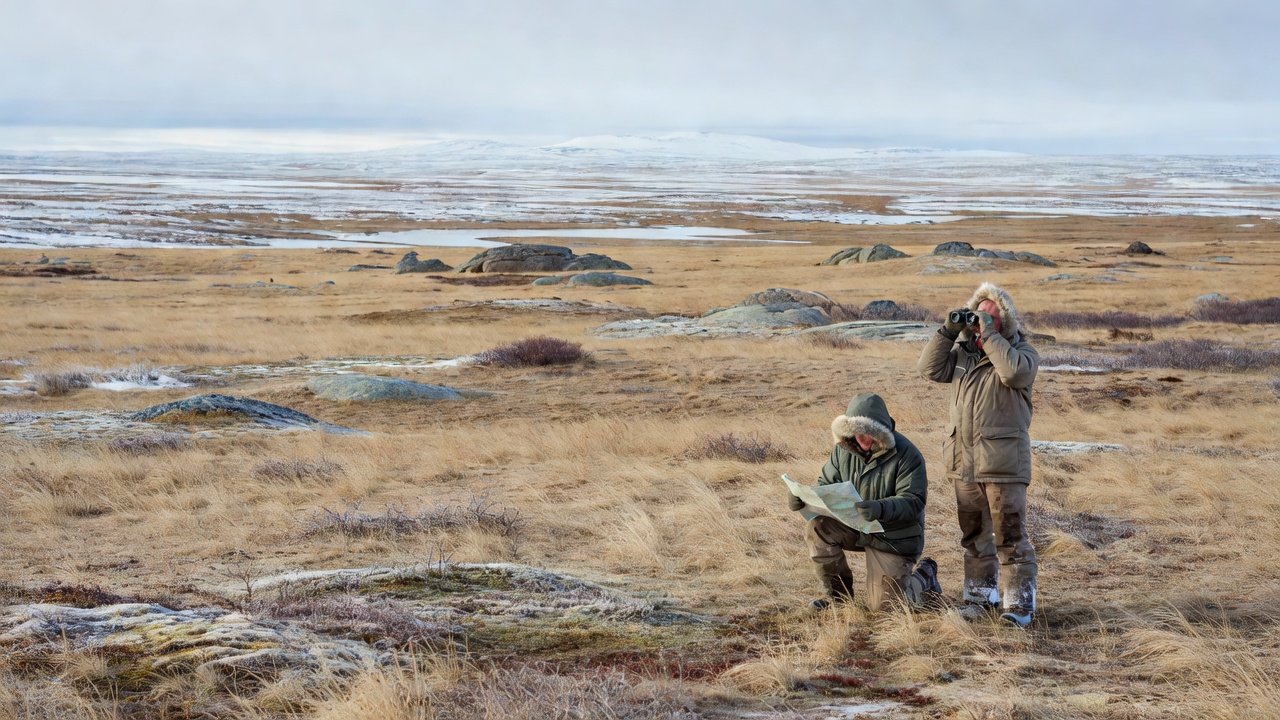
Wildlife in polarprairie areas shows clear adaptations to temperature swings and limited resources. Mammals often conserve energy during colder stretches while birds adjust migration routes based on available food. Careful watchers record patterns without disturbing habitats, noting how species interact with vegetation and water sources. Binoculars and quiet movement allow detailed viewing while keeping a safe distance that protects both observer and animal. Recording sightings over repeated visits builds a clearer picture of population health and behavior changes across weeks and months.
Following Sustainable Habits
Preserving polarprairie requires consistent low-impact choices. Travelers carry out all waste, avoid trampling sensitive plants, and limit use of single-use plastics. Water sources stay clean when soap and detergents are kept away from streams. These actions maintain soil stability and prevent erosion that can quickly alter prairie sections. Groups that plan routes in advance reduce trail widening and protect nesting sites. Such habits ensure the landscape stays viable for continued study and recreation without added human pressure.
Choosing Suitable Equipment
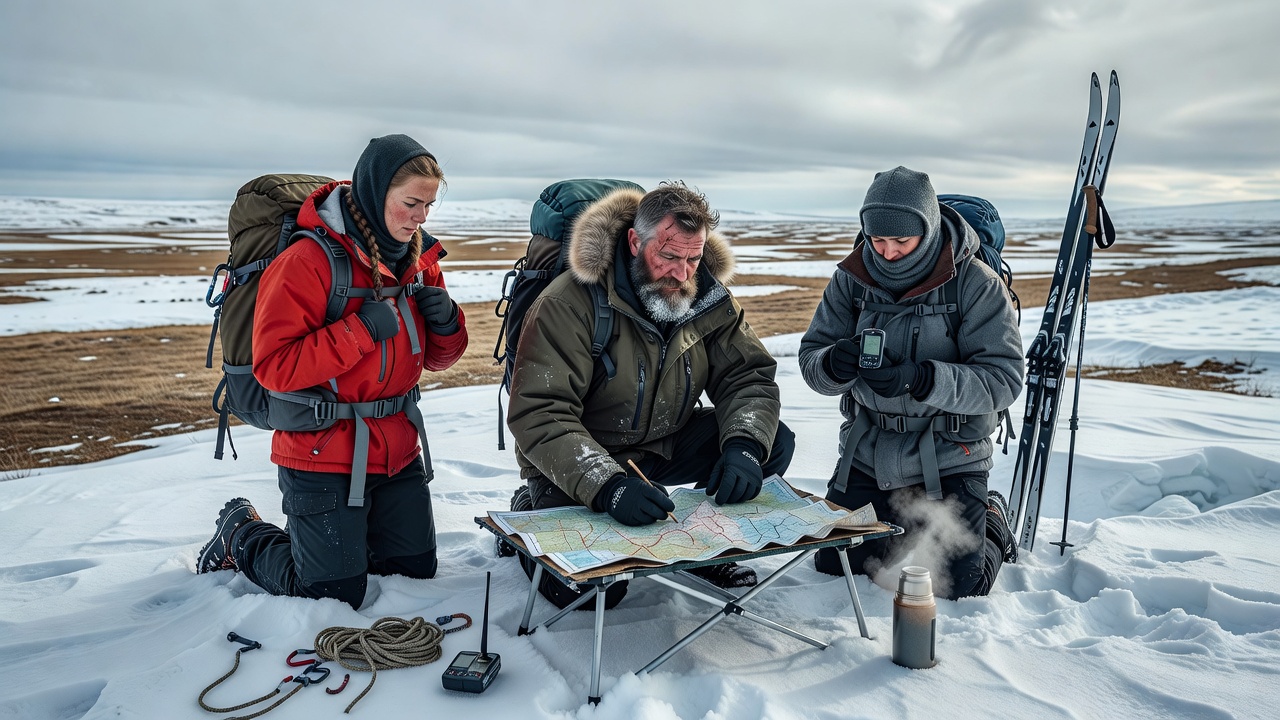
Proper gear supports comfort during variable weather common to polarprairie. Layered clothing manages heat loss while allowing ventilation during activity. Footwear with good traction handles mixed ground surfaces, and compact navigation aids prevent disorientation in open terrain. Checking forecasts each morning helps adjust plans for wind or precipitation. Durable items resist wear from abrasive soils and sudden cold snaps. Regular inspection of equipment before outings catches small issues early, extending usefulness and reducing the chance of failure far from assistance. Together these elements create reliable routines for repeated, low-risk engagement with the region.