27 Jul 2026
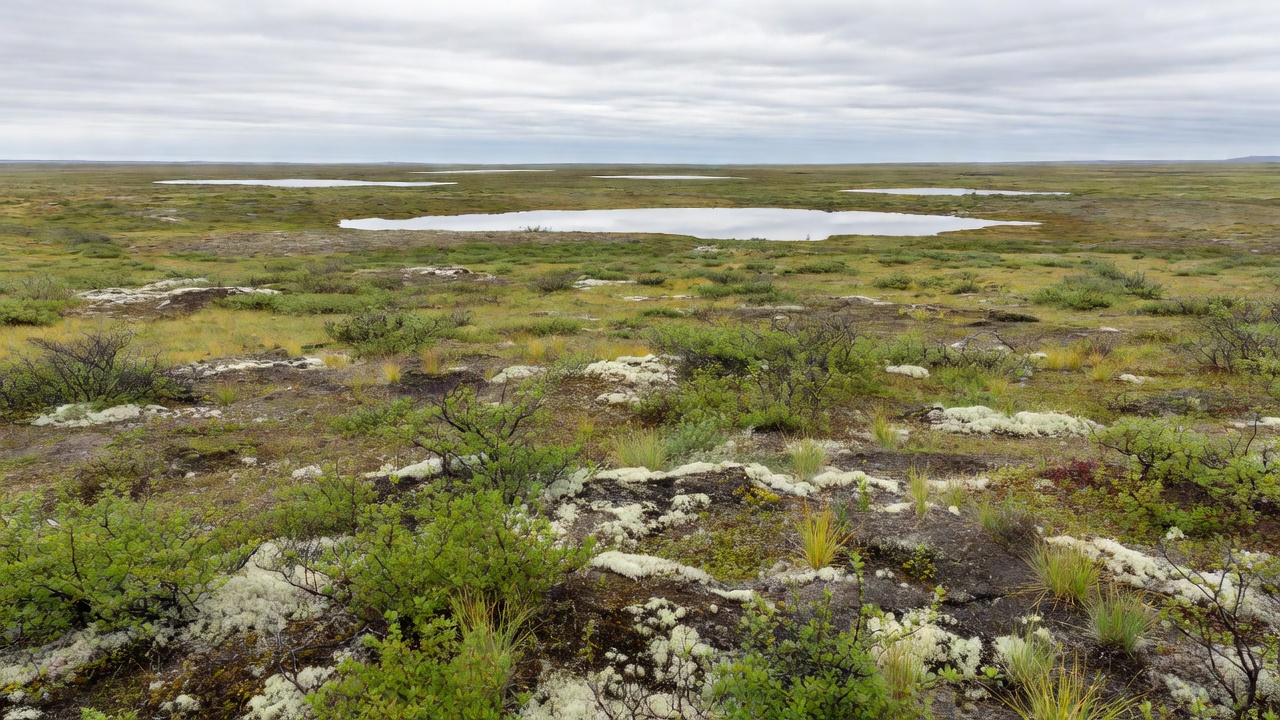
Polarprairie represents a distinctive region defined by measurable attributes that illustrate its scale and environmental features. Various numerical data points offer a factual view of its extent without relying on speculation or trends.
Area and Dimensions
The total expanse covers approximately 180000 square kilometers comparable in size to several recognized territories. Length reaches 1200 kilometers end to end with average width of 150 kilometers. Elevation varies from sea level in southern zones to 800 meters in northern highlands. Perimeter measurements total 3500 kilometers affecting regional access patterns. Soil studies indicate specific ratios of sand silt and clay that limit vegetation under extreme conditions.
Additional mapping data reveal 12 major river systems draining the area and 45 distinct landform types identified through surveys. These dimensions establish baseline references for planning and resource assessment across the region.
Climate Data Points
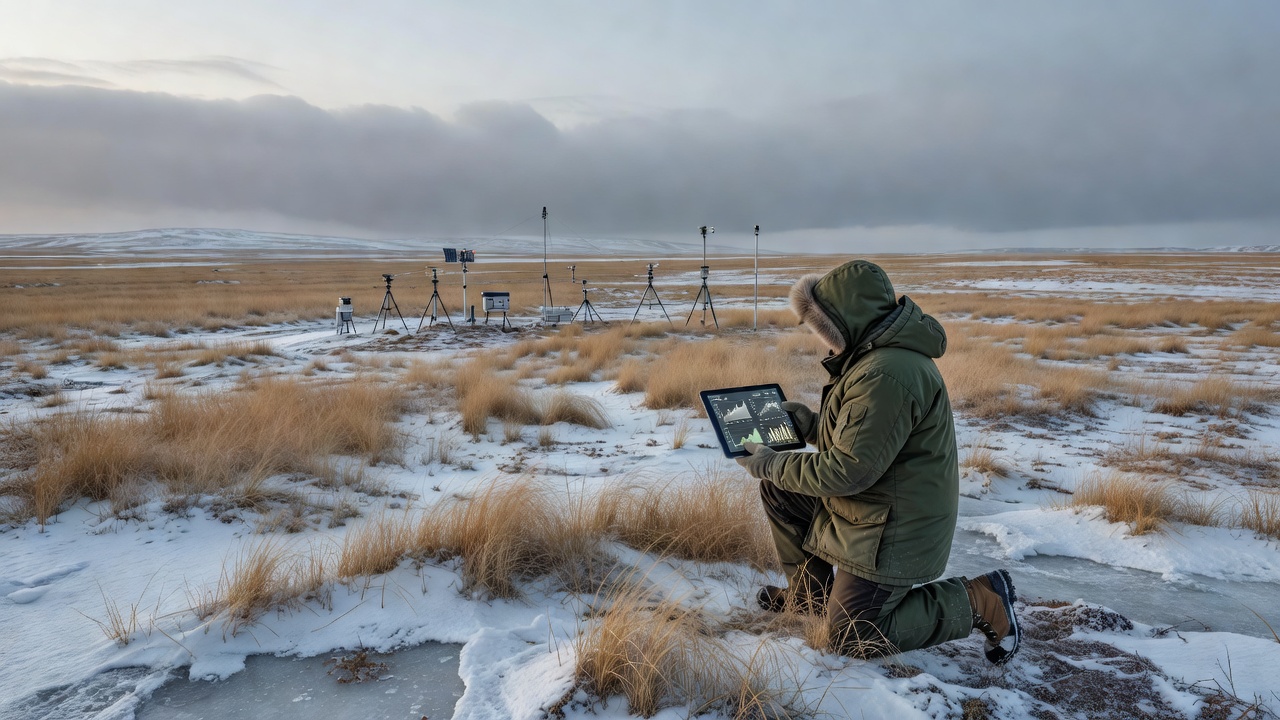
Annual temperature averages record lows of minus 25 degrees Celsius and summer peaks near 15 degrees Celsius. Yearly precipitation measures 250 millimeters mostly as snow with wind speeds averaging 20 kilometers per hour. Daylight extends to 24 hours in summer while winter brings equivalent darkness periods.
Long term station records from 20 locations confirm seasonal extremes and support consistent environmental monitoring. Humidity levels stay below 40 percent on average contributing to the arid polar prairie character.
Biodiversity and Population Figures
Plant species total over 150 adapted varieties while key mammal populations reach an estimated 12000 individuals. Human density remains under one person per square kilometer with 5000 residents overall. Protected zones encompass 40 percent of the land supporting conservation targets.
Economic indicators list annual output near 50 million units from extraction and limited tourism. These counts provide a neutral foundation for evaluating Polarprairie characteristics based on collected measurements and observations.